
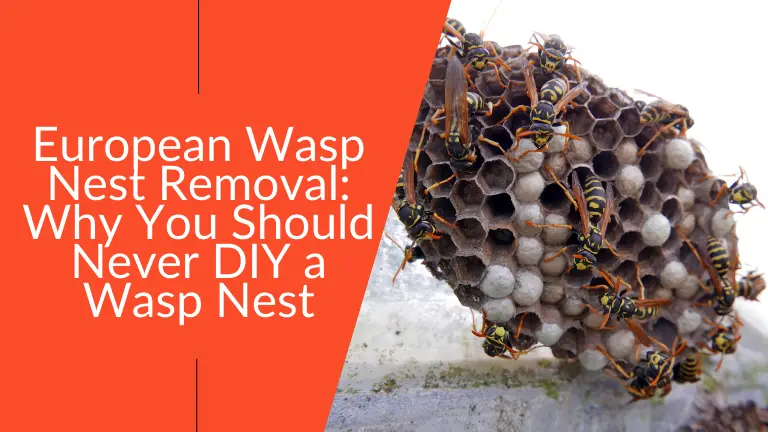
European wasps are becoming an increasingly common problem across Australia, invading gardens, roof spaces, and even outdoor dining areas. While it might be tempting to handle a wasp nest yourself, DIY attempts can be extremely dangerous. At Marks Pest Control, we specialise in safe and effective wasp nest removal, protecting your home and family from stings and other hazards.
Understanding European Wasps and Their Nests
European wasps are identifiable by their yellow and black striped bodies and aggressive behaviour when threatened. Unlike native Australian wasps, these species are highly territorial and build large nests that can contain thousands of wasps.
Their nests are typically found in:
- Roof voids and wall cavities
- Trees, shrubs, and garden sheds
- Under eaves and in outdoor structures
European wasp nests are usually papery in appearance, with a layered, honeycomb like interior. Disturbing these nests without proper training and equipment can provoke a swarm, leading to painful stings and potential medical emergencies. Understanding the structure and behaviour of these nests is crucial before any removal attempt.
The Risks of DIY Wasp Nest Removal
Many homeowners underestimate the danger of handling a wasp nest themselves. The risks include:
- Multiple stings: European wasps attack in large numbers if they sense a threat.
- Allergic reactions: Some stings can cause severe reactions requiring urgent medical attention.
- Property damage: Improper removal can damage your roof, walls, or garden structures.
- Ineffective removal: Disturbing a nest without removing it entirely can cause wasps to rebuild or relocate nearby.
Even with protective clothing or sprays, DIY removal exposes you and your family to unnecessary risks. This is why professional intervention is the safest option.
Why Professional Wasp Nest Removal is Safer
Professional pest controllers are trained to safely remove European wasp nests, using specialised equipment and techniques. At Marks Pest Control, our team:
- Locates nests in hard to reach areas
- Uses industry approved methods to minimise risk
- Ensures complete removal to prevent re-infestation
Hiring a professional not only reduces the risk of stings and injuries but also ensures that the nest is removed efficiently. With years of experience across Australian homes and suburbs, Marks Pest Control provides peace of mind when dealing with aggressive wasps.
Tips to Prevent Wasp Nests Around Your Home
Preventing wasp infestations is just as important as safe removal. Homeowners can reduce the risk of nests forming by following these simple steps:
- Seal entry points: Check roof voids, gaps in walls, and eaves for potential nest sites.
- Remove food sources: European wasps are attracted to sugary foods, pet food, and uncovered bins.
- Maintain outdoor spaces: Keep trees and shrubs trimmed, and remove debris that could provide shelter.
- Monitor during spring and summer: This is when wasps are most active and likely to build new nests.
By adopting these precautions, you can make your home less attractive to European wasps and reduce the need for urgent removal.
When to Call Marks Pest Control
If you notice a growing number of wasps around your home, see a nest in a roof space or tree, or have previously experienced wasp activity, it’s time to call the experts. Signs that indicate a nest may need professional attention include:
- Swarms of wasps entering and exiting a particular area
- Visible nests in roof voids, trees, or under eaves
- Aggressive behaviour from wasps around outdoor areas
Contacting Marks Pest Control early can prevent stings, property damage, and potential allergic reactions. Our team is trained in safe wasp nest removal, ensuring your home remains secure and pest-free.
FAQs About European Wasp Nests
Q1: How can I tell if it’s a European wasp nest?
European wasp nests are papery and layered, often found in high or hidden locations. Look for high activity of wasps around a particular spot.
Q2: Can I remove a wasp nest myself safely?
DIY removal is highly dangerous and not recommended. Professional pest controllers have the knowledge and equipment to safely remove nests.
Q3: What should I do if someone is stung by a wasp?
For minor stings, wash the area with soap and water and apply ice to reduce swelling. For severe allergic reactions, seek immediate medical attention.
Conclusion
European wasp infestations are not only a nuisance but also a serious safety hazard. Attempting DIY wasp nest removal can put you and your family at risk of painful stings and allergic reactions. Marks Pest Control provides expert, safe, and efficient removal services across Australian homes, helping you protect your property and loved ones.
Don’t take the risk if you spot a nest. Contact Marks Pest Control today for professional assistance and peace of mind.