The Ultimate Seasonal Pest Control Calendar for Australian Homeowners
Safeguarding your property against the unique biological cycles of the Australian environment requires a strategic, chronological approach. Marks Pest Control presents this comprehensive guide to help you navigate the shifting threats that accompany each change in season. By understanding these patterns, you can transition from reactive treatments to proactive protection.
🌸 SPRING: September – November (The Great Awakening)
As the weather warms up, pests emerge from dormancy to breed and seek new food sources. Spring is the most critical time for preventative treatments.
- Primary Threats: Termites (Swarming), Ants, Spiders, and Bees/Wasps.
- The "Spring Surge": Termites begin their "nuptial flights" to establish new colonies. If you see discarded wings near windows, you have an active colony nearby.
- Homeowner Checklist:
- Inspect the Perimeter: Look for termite mud tubes around your foundation.
- Clear Gutters: Remove winter debris to prevent mosquito breeding as spring rains arrive.
- Seal the Gaps: Ants follow moisture; seal cracks in window frames and doorways.
- Professional Insight: Marks Pest Control recommends an Annual Termite Inspection during this quarter. Identifying sub-surface activity now prevents the structural devastation often discovered during the peak of summer.
☀️ SUMMER: December – February (Peak Activity)
Heat and humidity accelerate the life cycles of insects. Summer is when infestations move from "noticeable" to "out of control."
- Primary Threats: Cockroaches, Flies, Mosquitoes, Fleas, and Ticks.
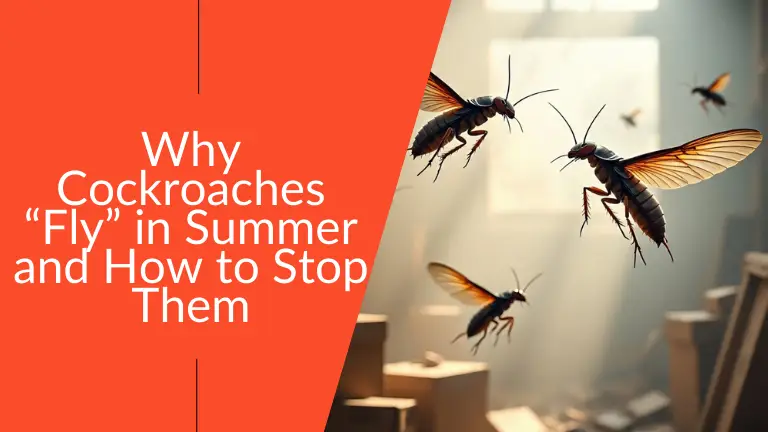
- The "Heat Invasion": Extreme heat drives cockroaches and ants indoors searching for water and cooler air.
- Homeowner Checklist:
- Manage Waste: Empty bins daily; the summer heat makes food waste a magnet for flies and maggots.
- Pet Care: Treat your pets for fleas/ticks every month. High grass and heat are a breeding ground for paralysis ticks.
- Dry it Out: Ensure your AC condensation pipes aren't dripping near the house foundation.
- Professional Insight: Marks Pest Control suggests applying a high-residual General Pest Perimeter Spray in early December. This creates an invisible chemical barrier that neutralizes invaders before they reach your internal living spaces.
🍂 AUTUMN: March – May (The Indoor Migration)
As the nights get cooler, pests look for a warm place to spend the winter. Your wall cavities and roof voids are their favorite hotels.
- Primary Threats: Rodents (Mice & Rats), Spiders seeking shelter, and Stink Bugs.
- The "Rodent Rush": Rats can squeeze through a gap the size of your thumb. They move into roofs to nest in your insulation.
- Homeowner Checklist:
- Trim the Trees: Ensure branches aren't touching your roof—these act as "highways" for rats and possums.
- Seal Entry Points: Check where pipes enter the walls (like under the sink) and seal gaps with steel wool.
- Declutter the Garage: Spiders and rodents love cardboard boxes. Switch to plastic bins.
- Professional Insight: Marks Pest Control technicians often install rodent monitoring stations in roof voids during March. This proactive measure catches the "scout" rodents before they can pheromone-trail a colony into your ceiling.
❄️ WINTER: June – August (Indoor Focus)
While it seems quiet outside, winter is when "hitchhiker" pests and persistent nesters thrive inside your heated home.
- Primary Threats: German Cockroaches, Silverfish, and Rodents.
- The "Kitchen Crisis": German Cockroaches love the warmth behind your fridge and dishwasher. They don't care if it's freezing outside.
- Homeowner Checklist:
- Check the Laundry: Silverfish thrive in damp, dark cupboards. Use moisture-absorbing bags.
- Clean Behind Appliances: Pull out the fridge and vacuum the dust; it's a prime nesting spot for roaches.
- Firewood Storage: Keep firewood at least 5 meters away from the house to avoid bringing termites and spiders inside.
- Professional Insight: Marks Pest Control finds winter to be the optimal time for sub-floor and attic dusting. These areas are generally drier and more accessible during the cool months, allowing for long-lasting chemical distribution that provides a foundation of protection for the following spring.
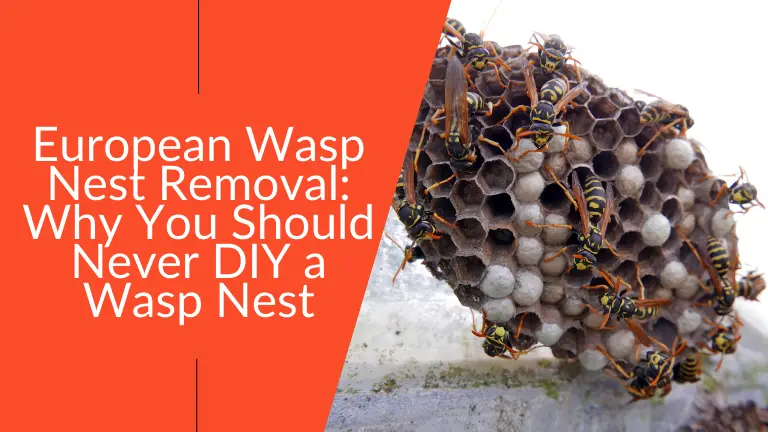
European Wasp Nest Removal: Why You Should Never DIY a Wasp Nest
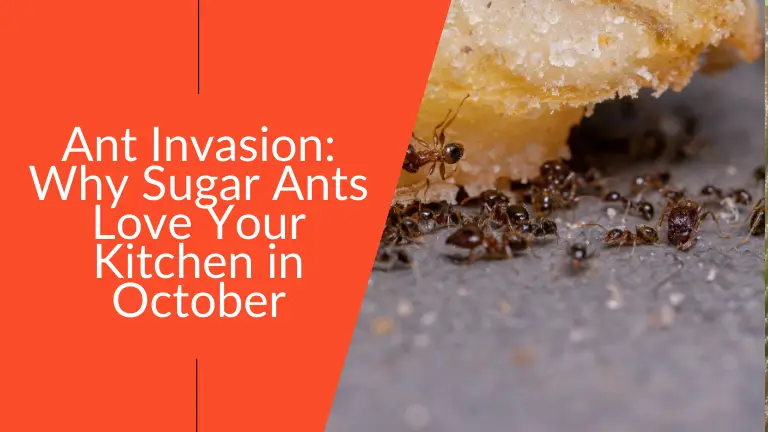
Ant Invasion: Why Sugar Ants Love Your Kitchen in October
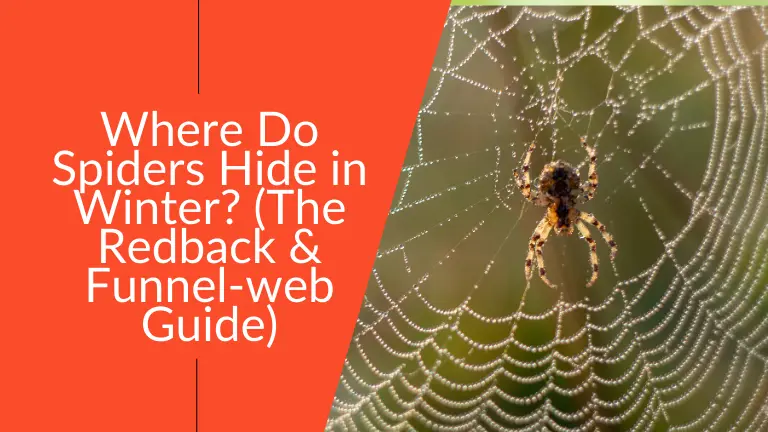
Where Do Spiders Hide in Winter? (The Redback & Funnel-web Guide)
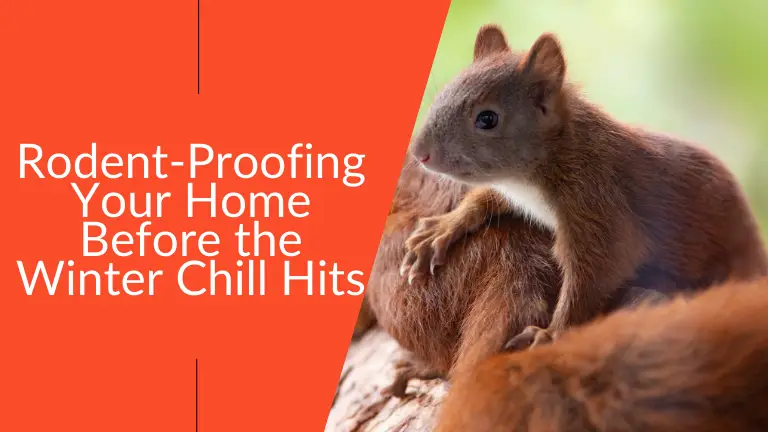
Rodent-Proofing Your Home Before the Winter Chill Hits